When Russia invaded Ukraine in February 2022, Italy welcomed refugees and, within months, had absorbed more than 100,000.
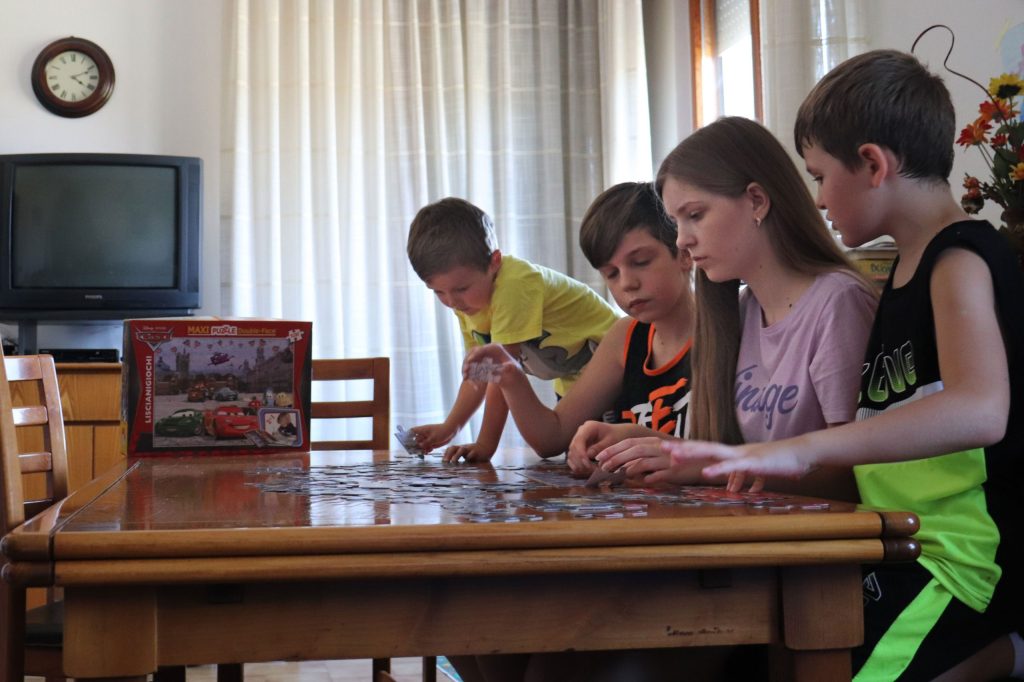
Among those, two sisters-in-law whose husbands were recruited into the Ukrainian army came on a cold, crowded bus with their four children to the small Italian city of Fermingnano.
A Colorado State student in the journalism program I was with at the time wrote a fine feature about this. Sarah Dill, the student, fell in love with Italy. She appreciated being pushed out of her comfort zone as a language-impaired minority for the first time in her life.
In that way, she may have identified with Daria and Natalia. (I haven’t been able to reach Sarah to see if she has an update.)
These two sisters-in-law protected their four children, between ages 5 and 14, from the fears and trauma they knew. “The Russians want to take the Ukrainians away from the world,” Daria Marukhniak said between the sobs. “And we don’t understand why. They are destroying us. They destroy churches and hospitals and schools and museums. Everything.” Natalia described Russian tractors scraping the earth to pile dirt and bodies together.
Missing their husbands and land, Daria and Natalia struggled to learn Italian and to fit in. They found help from everyone. Neighbors were all kind and friendly, bringing them supplies, bread, milk, chicken. Local Italians provided all of the housing needed for the refugees and the national government provided everything else, from free healthcare to schooling.
Why would Italy do this, when desperate boat people from Africa are getting less welcome? Look at a map. Ukraine is between Russia and the rest of Europe. Daria and Natalia escaped with their children through Slovakia, Hungary, and Slovenia. Americans, who seem more puzzled than outraged at Trump’s pandering to Russia, know so little about the history here – from the Soviet days, World War II and on back to the mixed grandeur of the Pax Romana and a Renaissance that stretched from Spain to Crimea.

 An American journalist heads for Italy to see his country changing from afar.
Leave a comment