I love old books lining bookshelves.
The collection in the North Carolina home of a couple of friends held classics of Machiavelli scholarship. I gently pulled out, like sneaking a square of chocolate fudge, a vellum-bound volume.
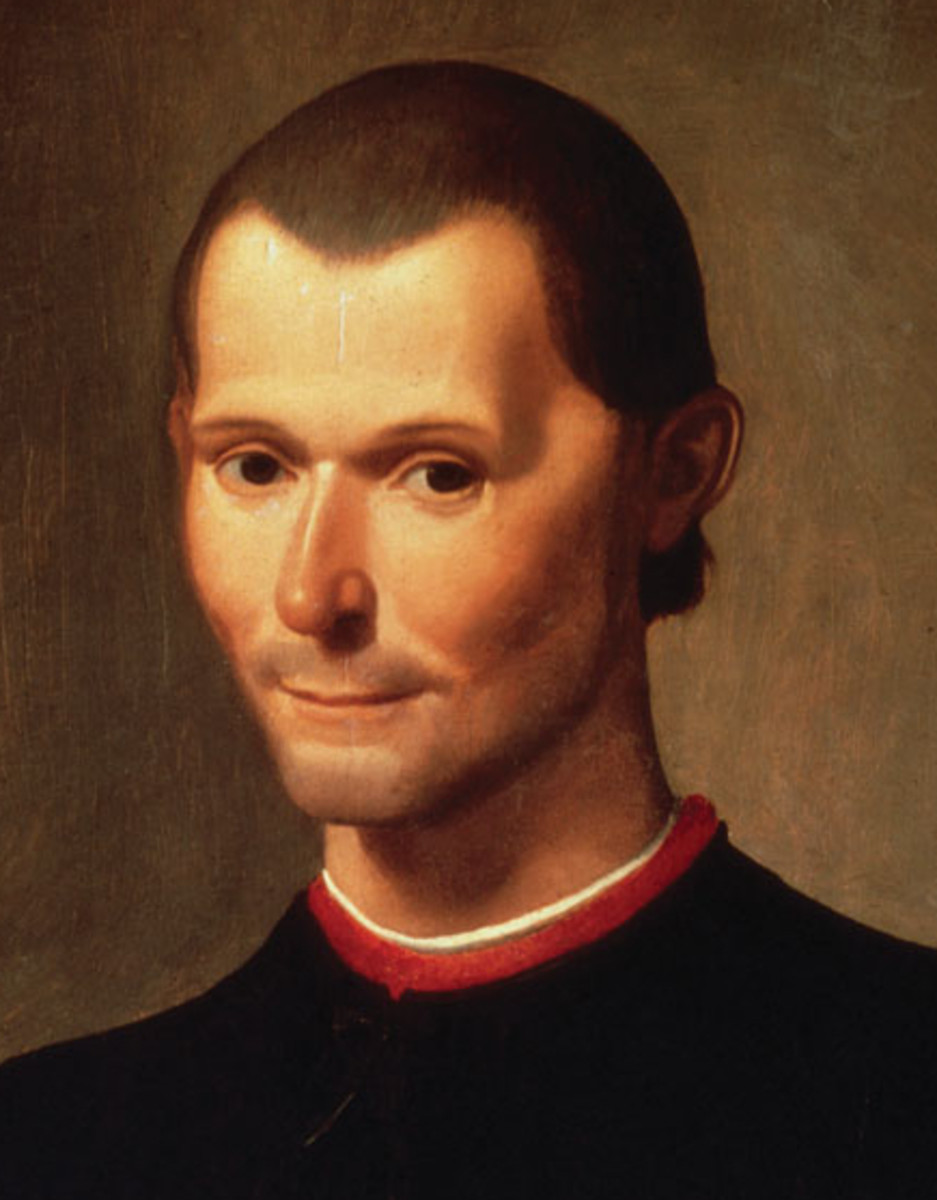
Carol Darr, the bookshelf owner, has felt herself under the spell of Niccolà Machiavelli since she was assigned The Prince as an undergrad.
She went on to study this supposed evil genius at Cambridge University, getting a master’s degree under one of the leading Machiavelli scholars. As a lawyer at the beating heart of the Democratic Party, Carol saw the need to win – and to do good.
“Being nice is not enough” was her secret thought, though she’s one of the nicest people I know. As chief counsel to the Dukakis presidential campaign and then general counsel to the DNC, she could see how Machiavelli’s realism was being missed. Later, as deputy general counsel to Clinton’s Commerce Department and head of an international division of a communication agency, Carol began writing a book on how Machiavelli could help.
The book is now under contract. It may be the intelligent person’s guide to saving democracy. Trump, she argues, is really the opposite of Machiavelli’s Prince. Trump has relied on fortuna, life’s randomness, but is totally lacking in virtù.
Italian history has other political lessons for us now, I am discovering. Some from the 20th century give me hope.
For example, Benedetto Croce (1866-1952). His writings were deeply intellectual, but also popular – on philosophy, art, politics, history, and how they all weave together. He reluctantly entered politics just before Mussolini came to power, and briefly hoped the Fascists might help Italy. He quickly turned anti-Fascist, and dedicated the rest of his life to the Liberal Party and classical liberalism. Croce’s humanistic liberalism, with a wary eye on all other ideology, Right or Left, seems to me like The Prince updated for the 21st century, preserving individual liberty – ruthlessly.
And then there’s the period in the early 1990s known as the “clean hands” reform, or Mani pulite. This was when the Italian people got so fed up with the corruption of government officials – the bribes, incompetence, Mafia influence and grift – that the courts finally found the courage to clean house for the people’s sake. Mani pulite spelled the end of the post-war Italian government and of several political parties. Thousands of politicians and business leaders were named. Some committed suicide over the dishonor. At one point, half the Italian Parliament was under indictment.
I know Italy’s modern history isn’t a model of good government, and its current leader is a Trump-friendly prime minister, Giorgia Meloni. But in the United States, with a President selling crypto currency and a billionaire federal contractor helping him get rid of Inspectors General and other watchdogs, this country will soon need a Mani pulite and a judge like Antonio De Pietro to hold some people to account.


 An American journalist heads for Italy to see his country changing from afar.
Leave a comment